
When Is Hurricane Season in Punta Cana – Storm Watch
Understanding Punta Cana’s Hurricane Season

When Is Hurricane Season in Punta Cana – Storm Watch
Punta Cana, a tropical paradise known for its stunning beaches and vibrant culture, also experiences a hurricane season that is crucial to understand for both residents and visitors. The hurricane season not only affects travel plans but also has significant implications for the local community and environment.
1. Official Hurricane Season Dates
The official hurricane season in Punta Cana, like much of the Caribbean, spans from June 1st to November 30th. This period marks the time when tropical storms and hurricanes are most likely to develop in the Atlantic Ocean, the Caribbean Sea, and the Gulf of Mexico. The timing aligns with the broader Atlantic hurricane season, as determined by the National Hurricane Center.
Understanding these dates is vital for planning any visit to Punta Cana. Travelers can better prepare by staying informed about potential weather disruptions and ensuring their plans include flexibility to accommodate any necessary changes due to hurricane activity.
2. Peak Hurricane Months
While the hurricane season officially lasts for six months, August through October are considered the peak months for hurricane activity in Punta Cana. During these months, the combination of warm ocean waters and atmospheric conditions is most conducive to the formation and intensification of hurricanes.
Statistics indicate that September, in particular, is the most active month for hurricanes in the region. This is when the sea surface temperatures are at their highest, providing the energy needed for storms to develop. Travelers should be especially vigilant during this time, as the likelihood of encountering a hurricane is significantly increased.
3. Historical Hurricane Patterns
Historically, Punta Cana has experienced its share of hurricanes and tropical storms, though it is less frequently hit directly compared to other Caribbean locations. A notable instance is Hurricane Georges in 1998, which caused considerable damage across the Dominican Republic, including Punta Cana. More recently, Hurricane Maria in 2017 skirted the region, resulting in severe weather but not a direct hit.
By examining these past events, we can gain insights into the frequency and intensity of hurricanes affecting Punta Cana. This historical perspective helps in understanding potential risks and emphasizes the importance of preparedness for both the local population and visitors.
Weather Patterns During Hurricane Season
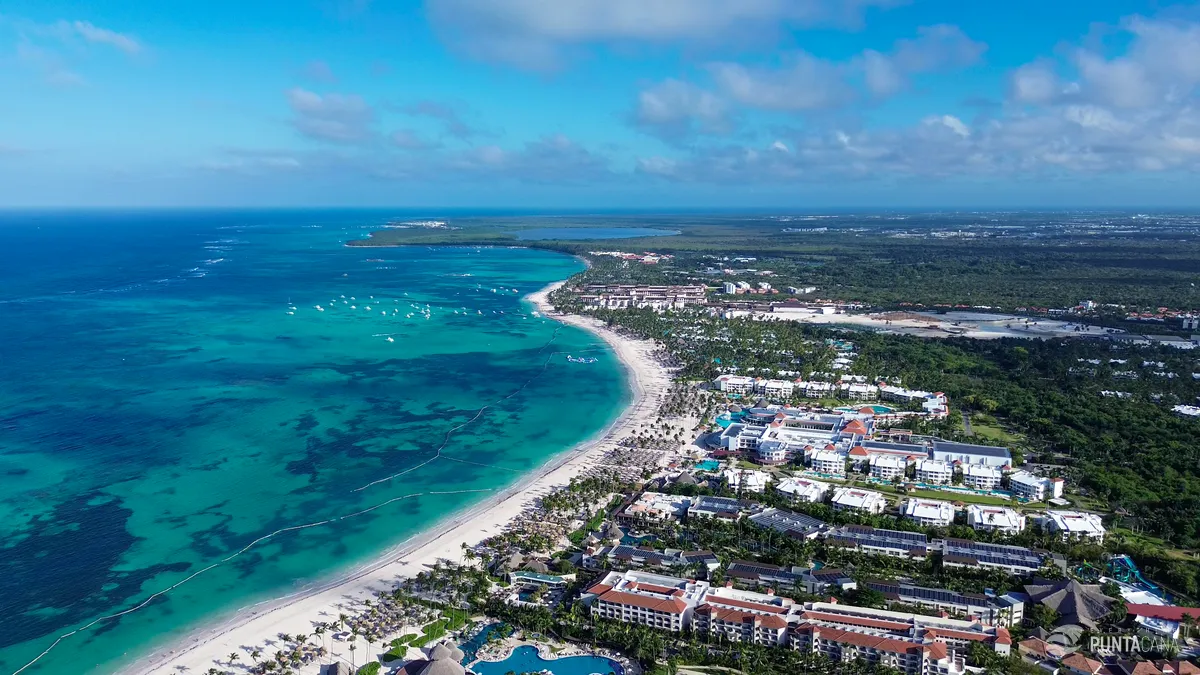
Punta Cana, drone view
During the hurricane season, Punta Cana experiences distinct weather patterns that can vary significantly from the rest of the year. These changes not only influence daily life but also have implications for safety and tourism.
1. Rainfall and Temperature Changes
Rainfall tends to increase significantly during the hurricane season, with September and October typically being the wettest months. The influx of moisture from tropical systems contributes to this surge, resulting in heavy downpours and possible flooding in low-lying areas.
Temperature fluctuations are also noted, although not as pronounced. The average daily temperatures remain warm, ranging from the low 80s to mid-90s Fahrenheit. However, the increased cloud cover and rain can lead to cooler evenings and more comfortable nights compared to the hotter and drier months.
2. Wind Conditions
Wind patterns during hurricane season in Punta Cana are characterized by stronger gusts and varying directions, particularly as tropical storms or hurricanes approach. The winds can have a significant impact on both land and sea activities, necessitating caution for those engaging in outdoor adventures or water sports.
Understanding the wind conditions is crucial for ensuring safety, especially for activities such as sailing, kite surfing, or even beach lounging, where high winds can lead to hazardous conditions.
3. Ocean Conditions and Safety
Ocean conditions during the hurricane season can become treacherous, with higher tides and stronger currents. These changes are often exacerbated by the presence of a hurricane, leading to dangerous rip currents that can pose a threat to swimmers.
It is vital for visitors and locals alike to heed warnings about ocean safety during the hurricane season. Staying informed about the latest weather advisories and avoiding the ocean during severe weather conditions is essential to ensure personal safety.
In conclusion, understanding the weather patterns during the hurricane season in Punta Cana is pivotal for planning safe and enjoyable visits. By staying informed and prepared, you can mitigate the risks associated with this dynamic environmental period.
Preparing for Hurricane Season in Punta Cana
Preparing for hurricane season in Punta Cana is essential for both residents and tourists to ensure safety and minimize disruption. Understanding the necessary steps to take before, during, and after a hurricane can significantly reduce risks.
1. Emergency Preparedness Tips
Effective preparation is the cornerstone of hurricane safety. Residents and visitors alike should develop a comprehensive plan tailored to their specific needs and the unique conditions of Punta Cana.
- Create a Disaster Kit: Compile essential items such as non-perishable food, water, medications, flashlights, batteries, and first aid supplies. It’s advisable to have enough provisions to last at least 72 hours.
- Secure Your Property: Install storm shutters or board up windows to protect against flying debris. Ensure that your roof and doors are reinforced, and remove or secure loose outdoor items.
- Develop a Communication Plan: Designate a contact person outside the hurricane zone to coordinate communications. Ensure all family members know emergency contact numbers and meeting points.
2. Understanding Hurricane Alerts and Warnings
The ability to interpret official hurricane alerts and warnings is crucial for timely and appropriate action. These alerts are issued by the National Hurricane Center and local authorities.
- Hurricane Watch: Issued when hurricane conditions are possible within 48 hours. Begin implementing your hurricane plan and remain informed about the storm’s progress.
- Hurricane Warning: Announced when hurricane conditions are expected within 36 hours. Complete all emergency preparations and evacuate if instructed by local officials.
- Advisories and Updates: Stay tuned to local media, the National Weather Service, or reliable online sources for continuous updates on the hurricane’s trajectory and intensity.
3. Travel Considerations During Hurricane Season
Traveling to Punta Cana during hurricane season requires careful planning and flexibility. Tourists should remain informed and prepared to adjust plans as necessary.
- Check Weather Forecasts: Regularly monitor weather updates leading up to and during your trip. Stay informed about potential hurricane developments.
- Purchase Travel Insurance: Opt for insurance policies that include trip cancellations and interruptions due to hurricanes. Read the policy details to understand coverage limitations.
- Stay Informed: Register with your embassy, if applicable, and follow local news for any travel advisories or evacuation notices.
Impact of Hurricanes on Punta Cana

Punta Cana, view from top
Hurricanes can have profound effects on Punta Cana, impacting local communities, the tourism industry, and the environment. Understanding these effects helps in planning and recovery efforts.
1. Effects on Local Communities
Hurricanes have a significant impact on the daily lives of those residing in Punta Cana. The local communities often face challenges related to infrastructure damage, power outages, and disruptions to essential services.
- Infrastructure Damage: Strong winds and flooding can damage roads, bridges, and buildings, hindering transportation and access to essential services.
- Economic Impact: Local businesses, especially those dependent on tourism, may suffer from prolonged closures or reduced customer flow.
- Community Resilience: Despite the challenges, local communities often rally together, showcasing resilience and a strong spirit of cooperation during recovery efforts.
2. Impact on Tourism Industry
The tourism industry in Punta Cana is vital to the local economy, and hurricanes can lead to significant disruptions.
- Decline in Tourist Arrivals: Potential visitors may postpone or cancel trips due to safety concerns, leading to a temporary decline in tourism revenue.
- Damage to Tourist Facilities: Hotels, resorts, and attractions may experience damage, requiring repairs and affecting their operational capabilities.
- Long-Term Recovery: The tourism sector often implements recovery strategies, including marketing campaigns and infrastructure improvements, to restore the destination’s appeal.
3. Environmental Consequences
Hurricanes can also have lasting effects on Punta Cana’s natural environment, impacting ecosystems and biodiversity.
- Coastal Erosion: Storm surges and strong waves can accelerate erosion, altering coastal landscapes and habitats.
- Habitat Disruption: Wildlife habitats, particularly in coastal and marine environments, may be disturbed or destroyed, affecting local biodiversity.
- Mangrove and Coral Reef Damage: These vital ecosystems may suffer from physical damage and changes in water quality, impacting their health and resilience.
Technological Advances in Hurricane Monitoring
In recent years, technological advancements have significantly transformed the way hurricanes are monitored and predicted, offering more accurate forecasts and enhancing safety measures. This section delves into the cutting-edge technologies employed to track hurricanes, predict their paths and intensities, and improve safety protocols during these natural events.
1. Satellite and Radar Systems
Satellites and radar systems have become indispensable tools in hurricane monitoring, providing real-time data that is crucial for accurate forecasting.
Satellites orbiting the Earth capture high-resolution images and collect essential data on hurricane formation and movement. These satellites, equipped with advanced sensors, can detect changes in atmospheric pressure, temperature, and humidity, which are critical in identifying the development of a hurricane. The Geostationary Operational Environmental Satellites (GOES), operated by NOAA, are a prime example of such technology, providing continuous observations that aid meteorologists in tracking storms as they evolve.
Radar systems, on the other hand, are used to measure precipitation intensity, wind speed, and storm structure. Doppler radar technology offers detailed insights into the internal dynamics of hurricanes, allowing for precise measurement of storm strength and the direction in which it is moving. This data is crucial for issuing timely warnings and alerts to affected regions.
2. Predictive Modeling Techniques
Predictive modeling techniques are at the forefront of hurricane forecasting, utilizing complex algorithms and vast datasets to simulate potential storm paths and intensities.
Advanced computer models, such as the Global Forecast System (GFS) and the European Centre for Medium-Range Weather Forecasts (ECMWF), integrate data from satellites, radars, and weather stations worldwide to produce simulations of hurricane movements and potential impacts. These models consider numerous variables, including atmospheric pressure systems, ocean temperatures, and wind patterns, to predict the likelihood of a hurricane making landfall and its possible trajectory.
The accuracy of these models has improved dramatically over the years, providing meteorologists with the ability to make more informed decisions regarding hurricane preparedness and response strategies. As computational power continues to grow, the precision and reliability of these predictive models are expected to enhance further.
3. Impact of Technology on Safety Measures
Technological advancements have not only improved hurricane forecasting but have also revolutionized safety measures, ensuring better preparedness and response to these natural disasters.
With more accurate forecasts, authorities can implement timely evacuation plans and resource allocation, minimizing the impact of hurricanes on human life and infrastructure. Real-time data from satellites and radars are disseminated to the public through various channels, including mobile apps and emergency alert systems, ensuring that residents and travelers are informed and can take necessary precautions.
Moreover, technology has enabled the development of more resilient infrastructure. For example, buildings and roads are now designed to withstand extreme weather conditions, incorporating data from past hurricane events to improve structural integrity. This proactive approach to disaster management has significantly reduced the risks associated with hurricanes in Punta Cana and other vulnerable regions.
Overall, the integration of advanced technologies in hurricane monitoring has ushered in a new era of hurricane preparedness, enhancing the safety and resilience of communities in Punta Cana and beyond.
Frequently Asked Questions
When does hurricane season start and end in Punta Cana?
Hurricane season in Punta Cana typically starts on June 1 and ends on November 30. This period aligns with the Atlantic hurricane season.
What months are most active for hurricanes in Punta Cana?
The most active months for hurricanes in Punta Cana are usually August through October, with peak activity often occurring in September.
How often do hurricanes hit Punta Cana?
While hurricanes can affect Punta Cana, direct hits are relatively rare. The Dominican Republic experiences tropical storms more frequently than full-blown hurricanes.
What precautions should I take if visiting Punta Cana during hurricane season?
If you’re visiting during hurricane season, stay informed about weather updates, have a basic emergency plan, and ensure your accommodation has a hurricane preparedness plan in place.
Can I get travel insurance for hurricane season in Punta Cana?
Yes, many travel insurance policies offer coverage for natural disasters, including hurricanes. It’s advisable to review the terms carefully to understand what is covered.
What should I do if a hurricane is forecasted while I'm in Punta Cana?
Follow local authorities’ instructions, remain indoors, and move to a designated shelter if advised. Keep emergency supplies on hand and stay updated on the situation.
Is it safe to travel to Punta Cana during hurricane season?
Traveling to Punta Cana during hurricane season can be safe if you stay informed and prepared. Check weather forecasts and opt for flexible travel plans.
How can I stay informed about hurricanes while in Punta Cana?
You can stay informed by monitoring local weather reports, using weather apps, and following guidance from local authorities and your accommodation.
What impact does hurricane season have on tourism in Punta Cana?
Tourism may experience a slight decline during peak hurricane months due to weather concerns. However, many resorts offer attractive deals during this period.
Updated on: . Author: